
Science & Research
Explore how knowledge is produced, questioned and shared.

What would a result look like without the factor you are testing?
Read a negative control as a question about alternative explanations, rather than a ritual extra sample.

Citizen science works through a protocol, not enthusiasm alone
Understand how a public contribution becomes usable evidence in a shared research project.

Why a brighter night can reveal less of the sky
Explore skyglow through observation, comparison and the limits of a photograph.

Before trusting a chart, read the axis and the denominator
Check what a visual comparison actually measures and how scale changes its appearance.

A null result is a question about precision, not a verdict of nothing
Read the estimate, uncertainty and study design before interpreting an inconclusive finding.

Preregistration: distinguish the research plan from the result
Understand why the timing of a research decision affects how a claim should be read.

Explain how a concept becomes something you can examine
Connect a definition to the observations or material used in the project without pretending they are identical.

Document analysis begins with a defensible selection
Explain why a document belongs in the study and how it will be read in relation to the question.

Make a data dictionary before interpreting the columns
Document what a field means, how values were recorded and what remains unknown.

Trace a claim back to the source that can actually support it
Distinguish the original material, later summaries and the interpretation added along the way.

Plan a research interview around understanding, not a preferred answer
Prepare questions, follow-up prompts and a responsible account of what an interview can establish.

A case study needs a boundary before it needs a story
Define the case, the question and the evidence that can support an explanation.

Separate what you observed from what you think it means
A guide to making the route from evidence to explanation visible.

Before writing a survey, decide what each answer would mean
A planning guide to purpose, wording, response options and cautious interpretation.

Keep a research notebook that another reader could follow
Document decisions, versions and uncertainty instead of recording only successful results.

A literature review is an argument about a field
Move from collecting references to explaining patterns, disagreements and gaps.

Read a scientific paper in layers, not from the first word to the last
A structured approach to questions, methods, results and limitations.

Open science: making knowledge easier to examine
Access matters. So do transparent methods, responsible data sharing and the ability to question results.
Across the Journal
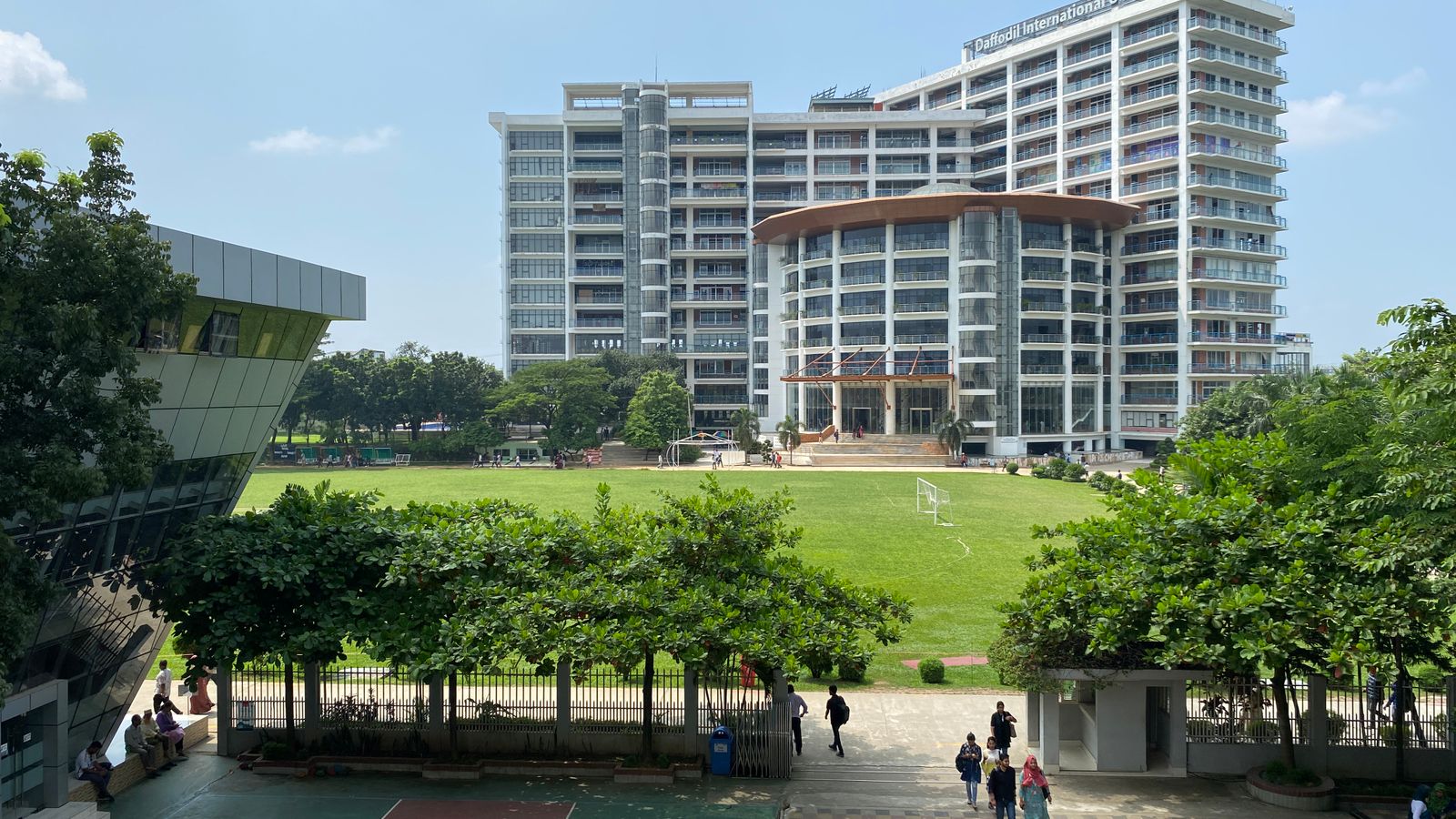
Choosing a university beyond the rankings
A better decision starts with the programme, the evidence and the life you want to build.

Learning without borders: what access really requires
Flexible education succeeds when access includes teaching, assessment and support.

Master’s or doctorate? Start with the question, not the title
Understand the different purposes of advanced study before choosing your next step.