Separate the stars from the background
A star is seen against a background, and a brighter background can make faint features harder to distinguish. The National Park Service describes how artificial light and atmospheric scattering contribute to skyglow. For a learning exercise, focus on the observational question: what can you see under specified conditions? Avoid treating the apparent brightness of one photograph as a direct measurement of how many stars exist above that location.
Record the conditions
Clouds, atmospheric conditions, moonlight and the observer’s surroundings can affect what is visible. Write down the location in a suitably general form, time and conditions relevant to your comparison. Do not publish sensitive personal location information. A meaningful observation record tells a later reader what may have changed besides artificial lighting. Two visits that feel similar can differ in ways that matter to the appearance of the sky.
Compare without pretending to control everything
A classroom comparison might examine an open view from two authorised observation places under reasonably similar conditions. Treat it as a demonstration with limitations, not a controlled experiment proving a local causal effect. Use a recognised project protocol if contributing data. Stay within ordinary access arrangements and choose an appropriate setting; a more dramatic location is not worth disregarding site restrictions or practical conditions.
Read photographs cautiously
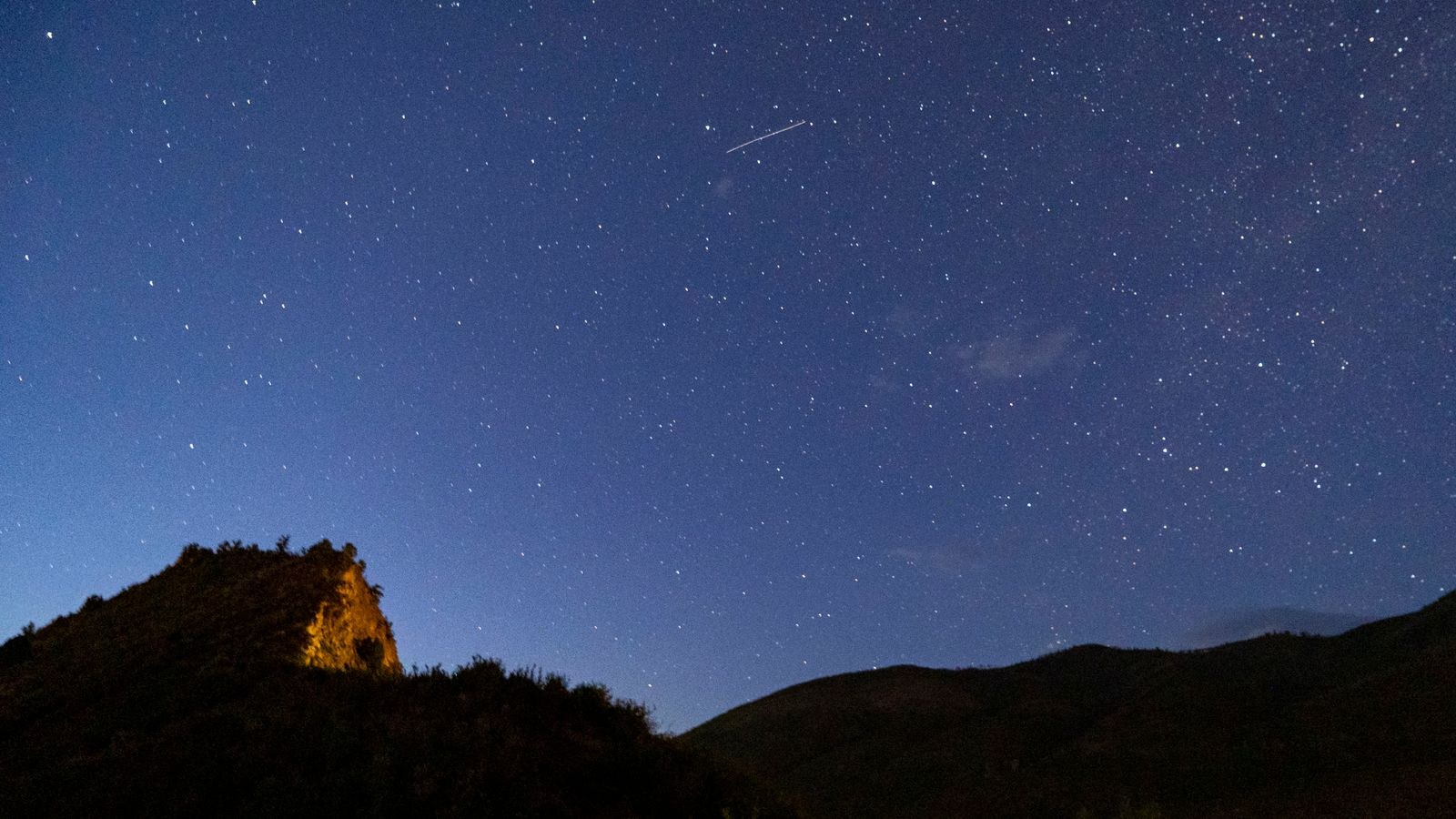
Camera exposure, processing and display settings alter the appearance of a night scene. A spectacular image can show features that are difficult to see unaided, while a short exposure can omit visible ones. Compare like with like and retain the capture details when images are part of an exercise. A photograph is evidence produced through an instrument and a process, not a transparent copy of human visual experience.
Connect observation to a better question
Write what the comparison suggests and what it cannot establish. You might ask how a documented lighting change would be evaluated, or which observation protocol would reduce ambiguity. Do not convert one evening into a broad environmental conclusion. The educational value is learning how the visibility of a phenomenon depends on its background, the observing conditions and the method used to record it.