
Disciplines
Discover the questions and methods at the heart of each field.

The familiar word that means something else: reading across languages
Use context and subject meaning to detect misleading similarities in translation.

A documentary tells a story through what it places next to what
Examine how selection, sequence and sound influence the meaning of recorded material.

Every flat world map makes a choice about distortion
Learn to ask which property a projection preserves before comparing size, shape or distance.
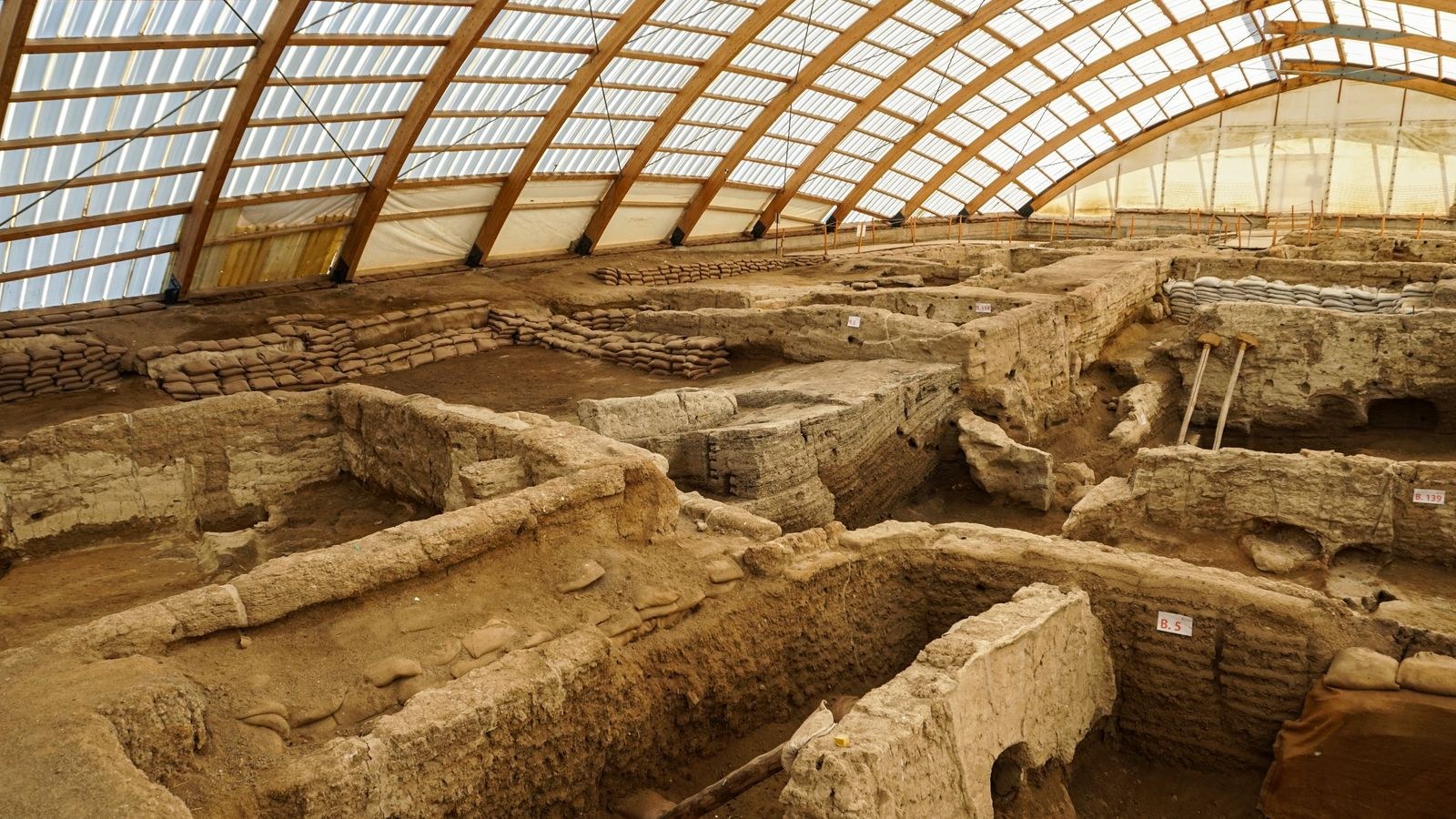
In archaeology, an object’s context is part of the evidence
Understand why location, association and recording matter as much as appearance.

Debugging is a sequence of tests, not a sequence of guesses
Reduce a software failure to a reproducible case and test one explanation at a time.

An architectural model is an argument about scale and use
Read what a model reveals, what it omits and which decision it is meant to support.

Read a literary passage closely before making it stand for everything
Build an interpretation through language, structure and context while keeping the textual evidence visible.

Explore sociology by distinguishing a description from a social explanation
Use a bounded educational example to examine context, categories and the limits of an observation.

Read an economic model by finding the assumptions that make it work
Explore a classroom model as a structured argument, not a prediction that applies everywhere.

A design critique should explain a judgment, not announce a taste
Connect the brief, the intended use and the evidence behind a proposed revision.

Read a map by asking what it shows and what it leaves out
A practical introduction to the questions behind an informative visual representation.

Translation study begins where a word-for-word answer stops
Examine audience, meaning, context and the reasons behind a translation choice.

Interdisciplinary study needs a bridge between methods
Connect different fields through a shared question while preserving what makes their evidence distinct.

What studying philosophy asks you to do with an argument
Explore definitions, premises, objections and the work of revising a conclusion.

History begins with a question about the source
A practical introduction to context, perspective, corroboration and the limits of an account.

How to compare programmes in computing and data
Look at the problems, foundations and assessed work behind closely related course names.

What an engineering project should teach beyond the prototype
Requirements, trade-offs, testing and documentation are part of the result.

Business and economics: related fields, different questions
Compare the intellectual work before comparing programme titles.

Choose a discipline by the problems it teaches you to solve
Look past department names and examine the work at the centre of each field.
Across the Journal

Choosing a university beyond the rankings
A better decision starts with the programme, the evidence and the life you want to build.

Learning without borders: what access really requires
Flexible education succeeds when access includes teaching, assessment and support.

Master’s or doctorate? Start with the question, not the title
Understand the different purposes of advanced study before choosing your next step.