


Open science: making knowledge easier to examine
Access matters. So do transparent methods, responsible data sharing and the ability to question results.

Master’s or doctorate? Start with the question, not the title
Understand the different purposes of advanced study before choosing your next step.
A clearer view.
A better next step.
Education shapes the decisions ahead of us. We explain the systems, explore the science and ask the questions that matter.
Meet the Journal ↗Education in the news
OFFICIAL SOURCES
Europe’s new education package puts teachers and AI on the agenda
The Commission sets out four priorities; implementation and adoption remain the next tests.

Nepal’s qualifications debate moves from policy to implementation
A UNESCO update highlights the practical challenge of connecting education pathways.
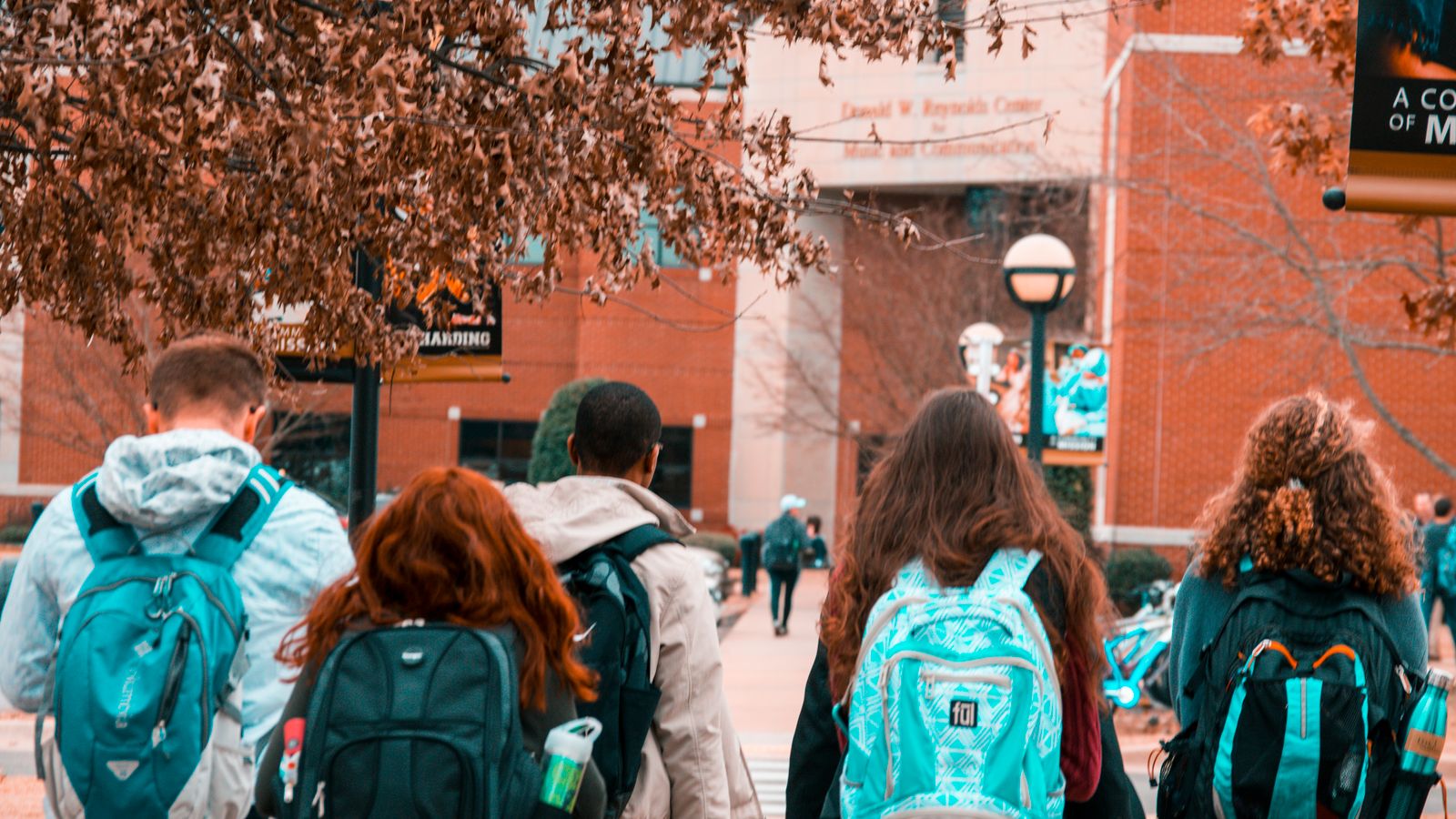
Arab higher education expands: the next question is opportunity
A new UNESCO regional report examines growth alongside uneven access and graduate prospects.

Student support features in UNESCO’s Doha higher education agenda
The published conference programme places student wellbeing alongside AI, research and workforce questions.
In depth: practical reading
NEW GUIDES & PERSPECTIVES
Can you teach it without hiding behind the terminology?
Use a short explanation to discover which relationships you understand and which you merely recognise.

Close the notes, then check: a practical retrieval cycle
Separate the ability to recognise a page from the ability to reconstruct its central idea.

The most useful part of a simulation may happen afterwards
Turn a classroom scenario into a careful examination of decisions, assumptions and consequences.
Education
View section ↗
Study a worked example by removing support one step at a time
Move from following a solution to choosing the next step yourself.

Make a formative task useful before the final assessment
Turn a low-stakes exercise into a specific revision decision.

When a concept blocks the whole course: diagnose the learning bottleneck
Find the missing relationship behind repeated mistakes instead of repeating an entire chapter.
Universities
View section ↗
Your first archive visit should begin before you reach the reading room
Use catalogues, precise questions and reference records to make a research visit productive.

A short course, a badge and a micro-credential are not the same promise
Read the learning record before assuming that a small credential fits your larger plans.

Plan an exchange semester around learning equivalence
Separate an attractive destination from the academic agreement that makes the semester count.
Study Guides
View section ↗
When revision time is limited, choose the next task deliberately
Prioritise the gaps that prevent you from doing the required work, rather than rereading what feels comfortable.

Analyse, evaluate, compare: what is the question asking you to do?
Read an assessment instruction as a demand for a particular kind of reasoning.

Build a synthesis matrix that compares claims across sources
Organise a literature discussion around questions rather than one summary per author.
Science & Research
View section ↗
What would a result look like without the factor you are testing?
Read a negative control as a question about alternative explanations, rather than a ritual extra sample.

Citizen science works through a protocol, not enthusiasm alone
Understand how a public contribution becomes usable evidence in a shared research project.

Why a brighter night can reveal less of the sky
Explore skyglow through observation, comparison and the limits of a photograph.
Disciplines
View section ↗
The familiar word that means something else: reading across languages
Use context and subject meaning to detect misleading similarities in translation.
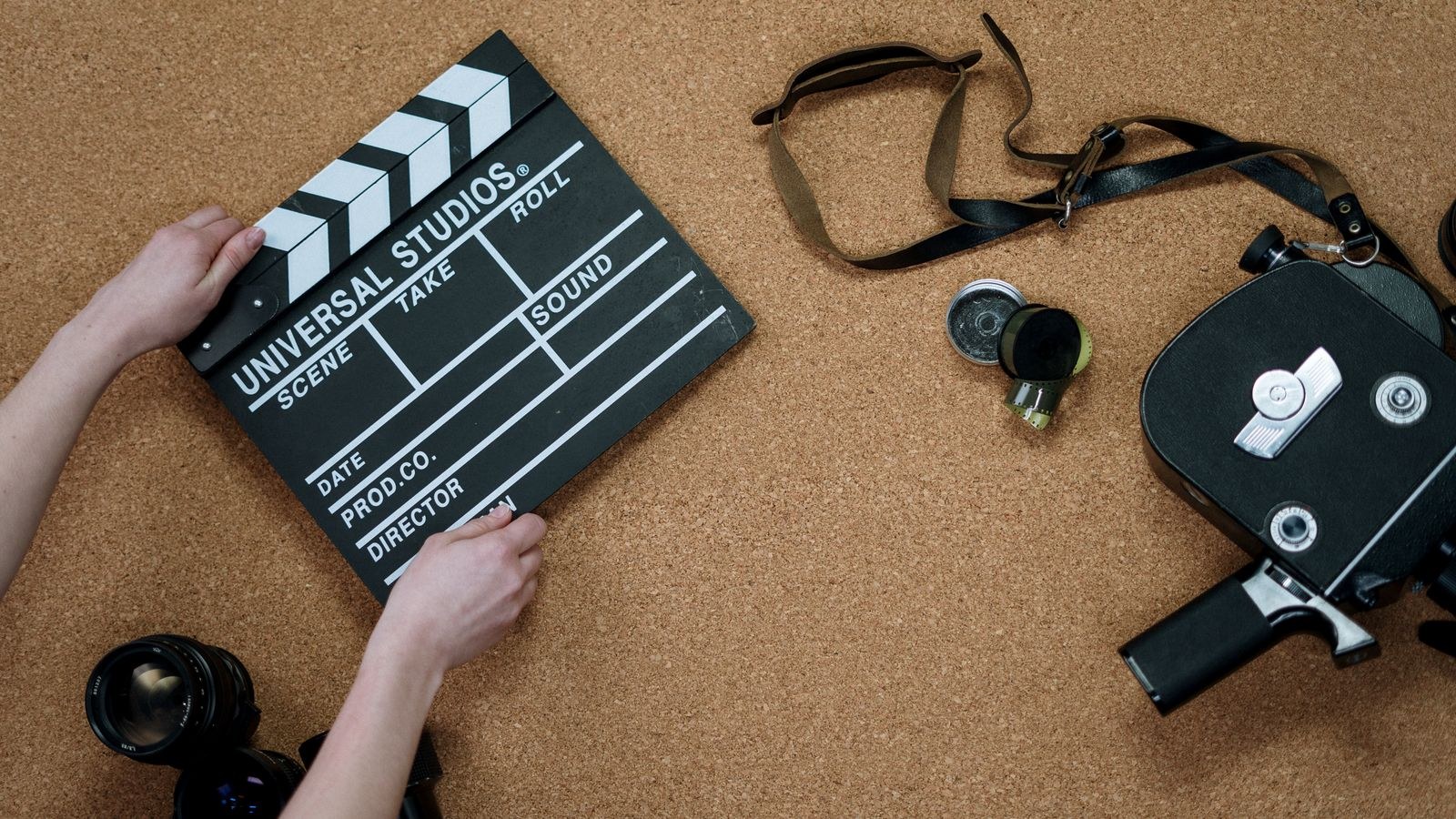
A documentary tells a story through what it places next to what
Examine how selection, sequence and sound influence the meaning of recorded material.

Every flat world map makes a choice about distortion
Learn to ask which property a projection preserves before comparing size, shape or distance.
Careers & Skills
View section ↗
Before saying yes, agree what the project includes
Make scope, review points and exclusions explicit enough to prevent an expanding task from becoming an invisible obligation.

One page, one decision: design a visual briefing that earns attention
Use a chart or diagram only when it clarifies the decision a reader needs to make.

Working across cultures starts with checking the agreement
Replace assumptions about other people with explicit expectations about the work.
Ideas & Opinion
View section ↗
Saying “I do not know” is useful only if you know what is missing
An editorial distinction between intellectual honesty and the habit of leaving every question unresolved.

Curiosity needs somewhere to go after the first interesting question
An editorial case for turning fascination into a sustained encounter with evidence.

What a university ranking cannot decide for a student
A position in a table is an input to judgment, not a complete account of educational fit.
Student Life
View section ↗
Visit a museum with one question and leave with a better one
Turn a short cultural visit into an exercise in observation, interpretation and thoughtful attention.

When home is noisy, redesign the study arrangement rather than blaming the whole day
Build a realistic plan around the work, the setting and the agreements you can actually influence.

A shared student kitchen needs clear agreements, not silent expectations
Make everyday responsibilities visible before small misunderstandings become recurring conflict.
Make your next move
with more understanding.
Discipline explorer
Compare questions, methods and pathways across fields.
↗02Academic glossary
Understand the language of higher education.
↗