
Education
Understand how education works — and where it is going.

The most useful part of a simulation may happen afterwards
Turn a classroom scenario into a careful examination of decisions, assumptions and consequences.

Close the notes, then check: a practical retrieval cycle
Separate the ability to recognise a page from the ability to reconstruct its central idea.

Can you teach it without hiding behind the terminology?
Use a short explanation to discover which relationships you understand and which you merely recognise.

Study a worked example by removing support one step at a time
Move from following a solution to choosing the next step yourself.

Make a formative task useful before the final assessment
Turn a low-stakes exercise into a specific revision decision.
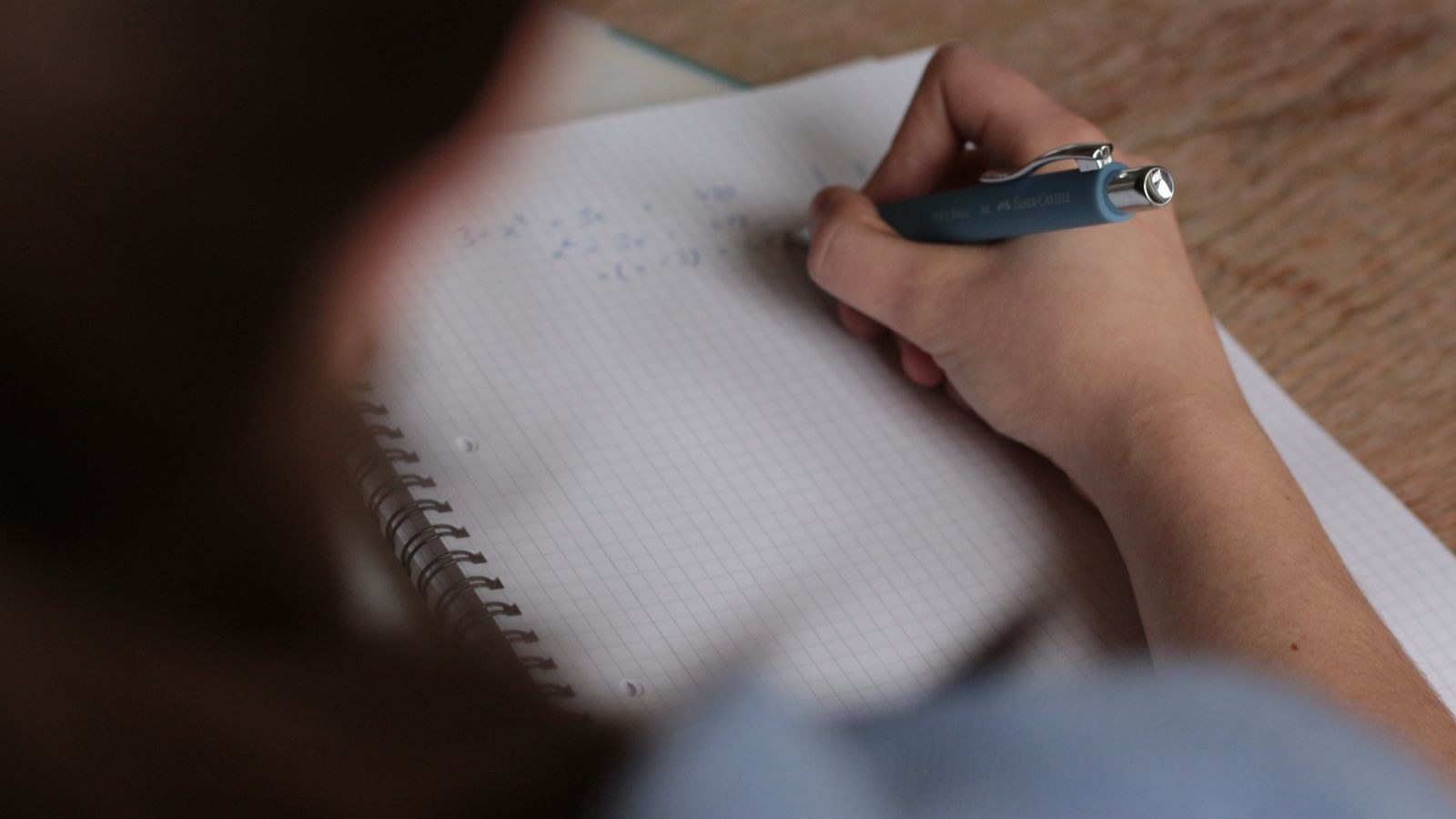
When a concept blocks the whole course: diagnose the learning bottleneck
Find the missing relationship behind repeated mistakes instead of repeating an entire chapter.

Build a course glossary that explains differences, not only definitions
Track how a term is used, what it excludes and why it matters to an argument.
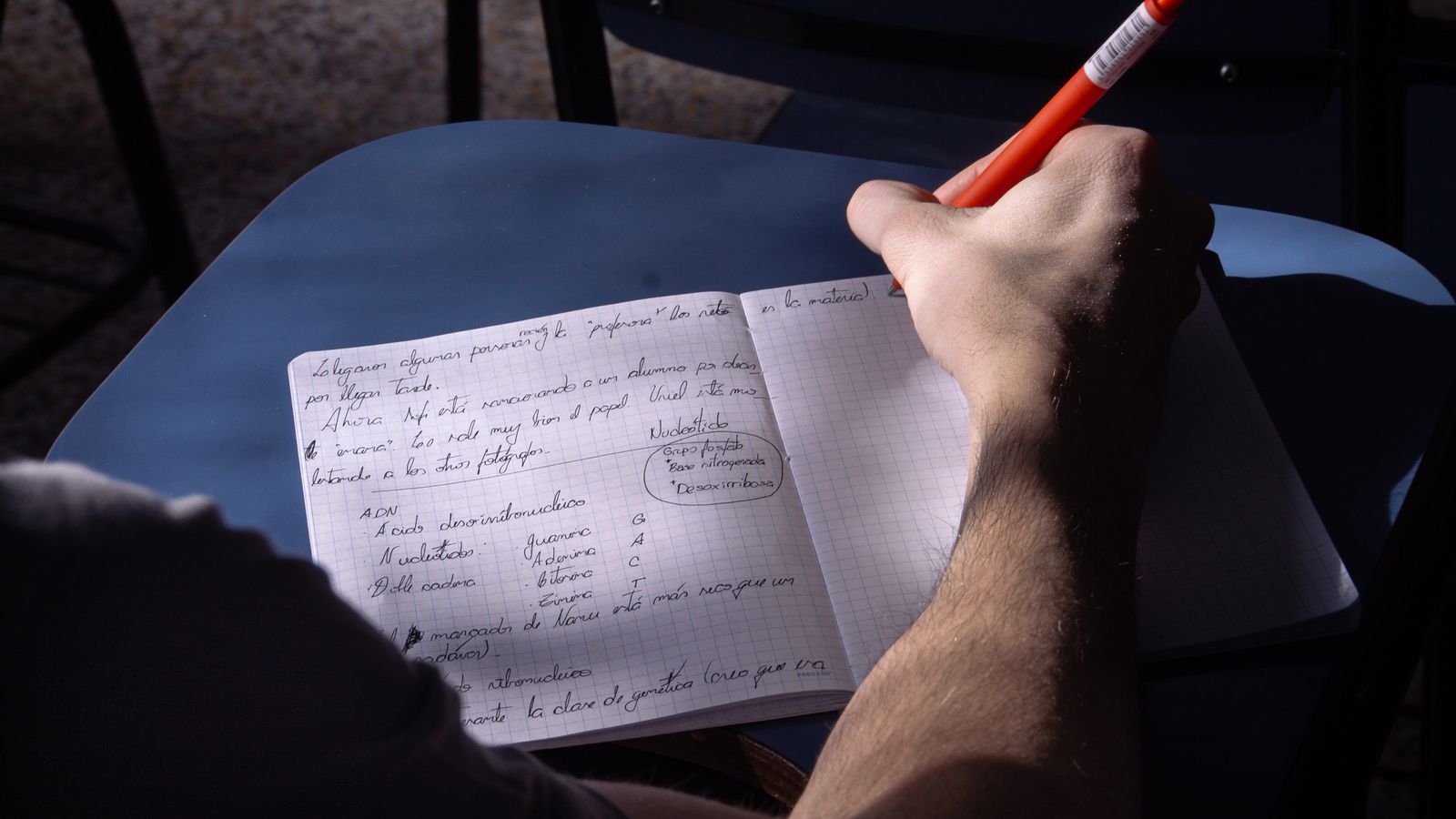
After a lecture, build a synthesis rather than a transcript
Connect the central question, the explanation and the point you still need to understand.

Keep a learning log that records change rather than attendance
Connect a question, an attempt, feedback and the next piece of work.

Turn an academic mistake into a question you can investigate
Review the task, the decision and the missing understanding before repeating the exercise.

Read a project brief as a set of decisions to be clarified
Understand scope, outputs, constraints and assessment before choosing an ambitious idea.

Returning to study: examine what you already know before adding more
Use experience as material to question, organise and connect with new learning.

Prepare for a seminar by bringing a question worth discussing
Turn assigned reading into a position, a question and a contribution you can explain.

Learning outcomes: turn broad promises into observable work
Read a curriculum through actions, evidence and the conditions under which learning is assessed.

Understand a course by mapping its assessments
A practical way to connect teaching, workload and the evidence a student must produce.

Nepal’s qualifications debate moves from policy to implementation
A UNESCO update highlights the practical challenge of connecting education pathways.

Europe’s new education package puts teachers and AI on the agenda
The Commission sets out four priorities; implementation and adoption remain the next tests.

Learning without borders: what access really requires
Flexible education succeeds when access includes teaching, assessment and support.
Across the Journal

Choosing a university beyond the rankings
A better decision starts with the programme, the evidence and the life you want to build.

Master’s or doctorate? Start with the question, not the title
Understand the different purposes of advanced study before choosing your next step.

Open science: making knowledge easier to examine
Access matters. So do transparent methods, responsible data sharing and the ability to question results.