
Study Guides
Practical answers for your next academic step.

When revision time is limited, choose the next task deliberately
Prioritise the gaps that prevent you from doing the required work, rather than rereading what feels comfortable.

Analyse, evaluate, compare: what is the question asking you to do?
Read an assessment instruction as a demand for a particular kind of reasoning.

Build a synthesis matrix that compares claims across sources
Organise a literature discussion around questions rather than one summary per author.

Prepare for an oral examination by making your reasoning audible
Practise explaining a decision, responding to a challenge and recognising a limit.

Review an academic book by examining what its argument achieves
Move beyond a chapter summary to a reasoned account of purpose, evidence and contribution.

An annotated bibliography should explain what each source contributes
Connect accurate reference details with a concise account of relevance, evidence and limits.

Paraphrase by rebuilding the meaning, not exchanging the words
Understand the claim, preserve its limits and make attribution explicit.

Write an abstract that represents the work you actually completed
Select the question, approach, central argument or finding and the relevant limit.

An academic poster needs a reading path, not a compressed thesis
Select a message, evidence and a visual hierarchy that can be understood without a long introduction.

Plan a dissertation through dependencies, not chapter titles
Build a schedule that accounts for access, analysis, feedback and revision.

A statement of purpose should explain the fit, not perform ambition
Connect your preparation, the programme and the work you want to undertake.

Prepare an academic presentation for the questions after it
Design the talk around the argument, then rehearse explanation under scrutiny.

Build an academic essay around a claim you can defend
Move from an interesting topic to an argument with evidence, limits and a clear structure.

Before you apply for a scholarship, read what it actually covers
A funding checklist for costs, conditions and verification.

A research proposal begins with five decisions
Define the question, evidence, method, scope and contribution before polishing the title.

Master’s or doctorate? Start with the question, not the title
Understand the different purposes of advanced study before choosing your next step.
Across the Journal
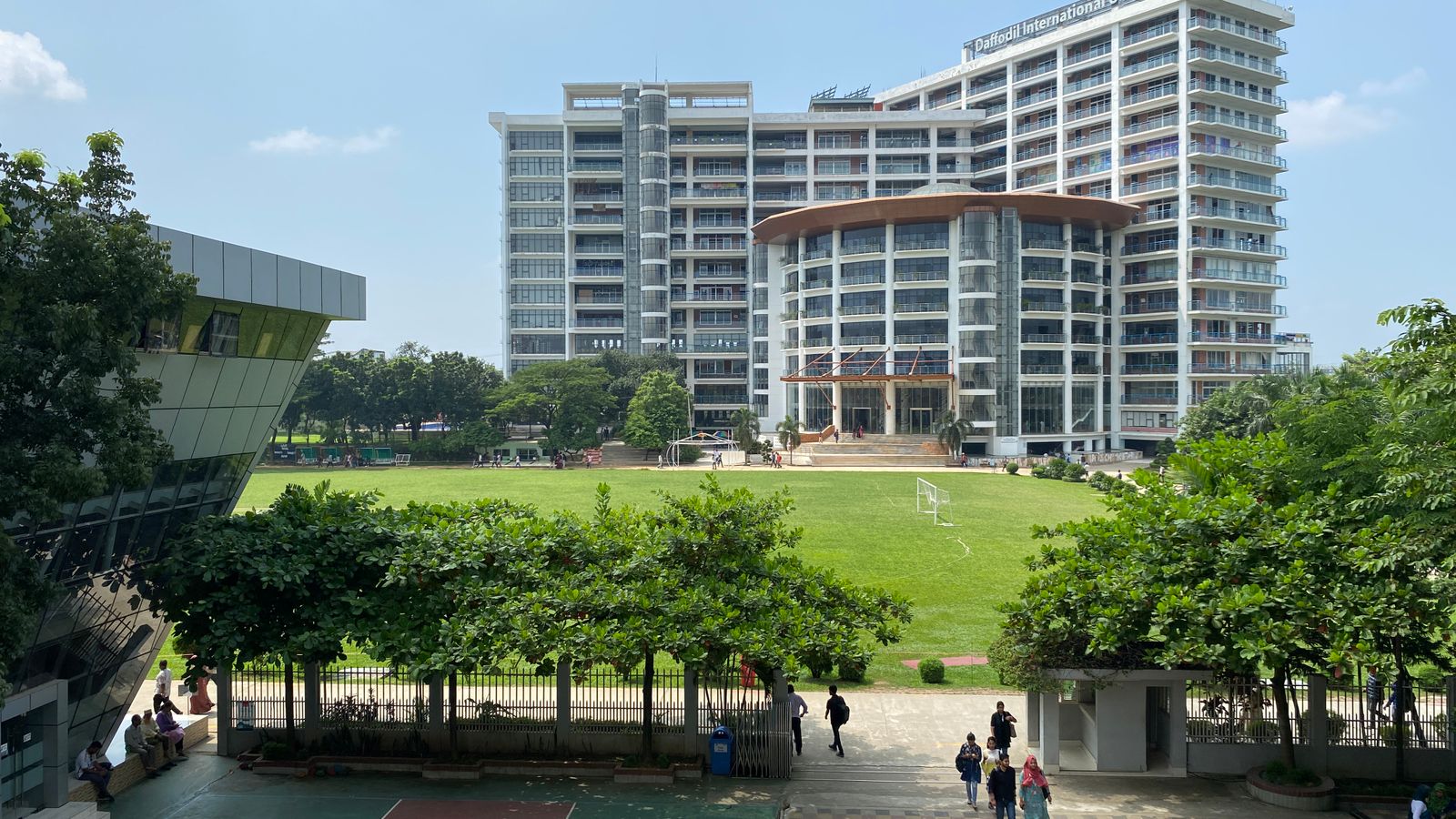
Choosing a university beyond the rankings
A better decision starts with the programme, the evidence and the life you want to build.

Learning without borders: what access really requires
Flexible education succeeds when access includes teaching, assessment and support.

Open science: making knowledge easier to examine
Access matters. So do transparent methods, responsible data sharing and the ability to question results.