Choose a question instead of a checklist
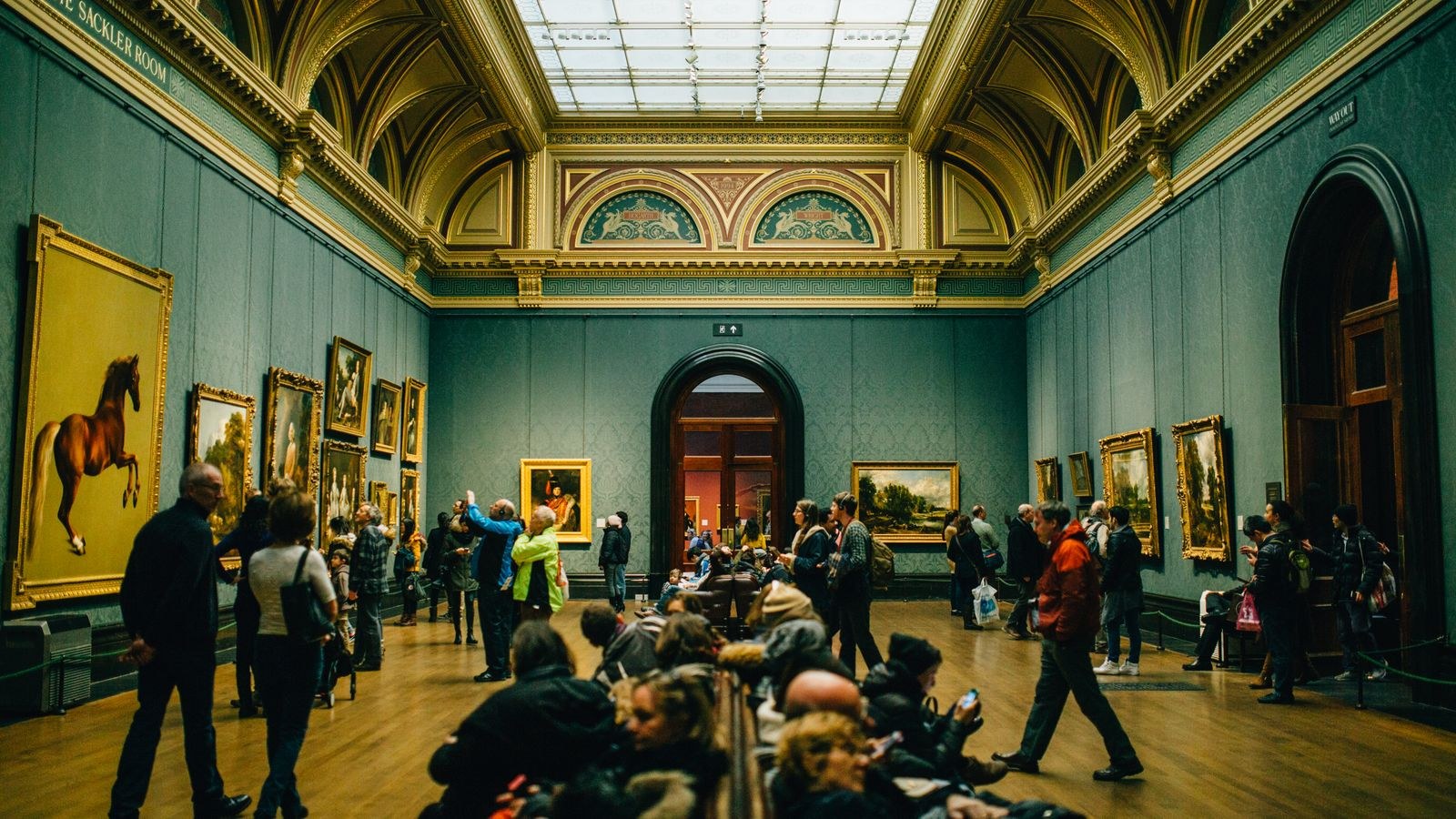
A museum visit does not need to become a race through every gallery. Choose one question that can guide attention: how is an object’s use explained, what does a display compare or whose viewpoint shapes the account? Keep the question open enough to be challenged. You can enjoy the visit without a formal task, but a small focus can help you notice relationships that a quick collection of photographs would miss.
Look before reading the label
Spend a short time describing one object or display in your own words before consulting its explanation. Separate what you can observe from what you infer. Then read the label and identify what information it adds or changes. This exercise is not a competition with the curator. It reveals how much of an interpretation depends on context rather than appearance and how easily an initial assumption can feel like a fact.
Read the display as a selection
Ask why these objects might have been placed together and what relationship the arrangement encourages you to see. A gallery is necessarily selective. That does not make its account invalid, but it creates questions about coverage, emphasis and absent perspectives. Keep your criticism tied to the visible display and available information. Do not invent a hidden collection or institutional motive to explain an omission you have not investigated.
Record within the rules
Follow the museum’s current policies on photography, access and reproduction. If you take notes, include the object or display identifier and the wording you quote. A personal photograph does not automatically carry unrestricted publication rights. Keep a distinction between your observation, the museum’s explanation and any later research. Those small habits make a visit easier to connect responsibly with academic work without turning it into a burdensome documentation exercise.
Write a changed understanding
After the visit, write one observation, one interpretation that changed and one question worth pursuing. Explain which detail prompted the change. You may discover that the original question was too broad or rested on a mistaken category. That is a useful outcome. The value of the visit can lie in a more careful way of seeing, rather than in the number of galleries completed or the confidence of a conclusion reached too quickly.