Recognise a useful stopping point
A session does not need to end only when every question has been resolved. Notice the state of the work: what is established, what is unfinished and what the next useful action would be. Sometimes completing one small step creates a cleaner pause; sometimes continuing simply repeats the same unproductive attempt. The aim is a deliberate stopping decision, not a rule that every learner must follow an identical schedule.
Leave a return note
Before stepping away, write the current question, the source you were using and the next action. A note such as compare the two definitions on this page is easier to resume than continue essay. Keep it short. A complex tracking system can consume the break it was meant to support. The note serves the reasoning you have already built, so that returning does not require reconstructing the entire session.
Choose a break that fits the circumstances
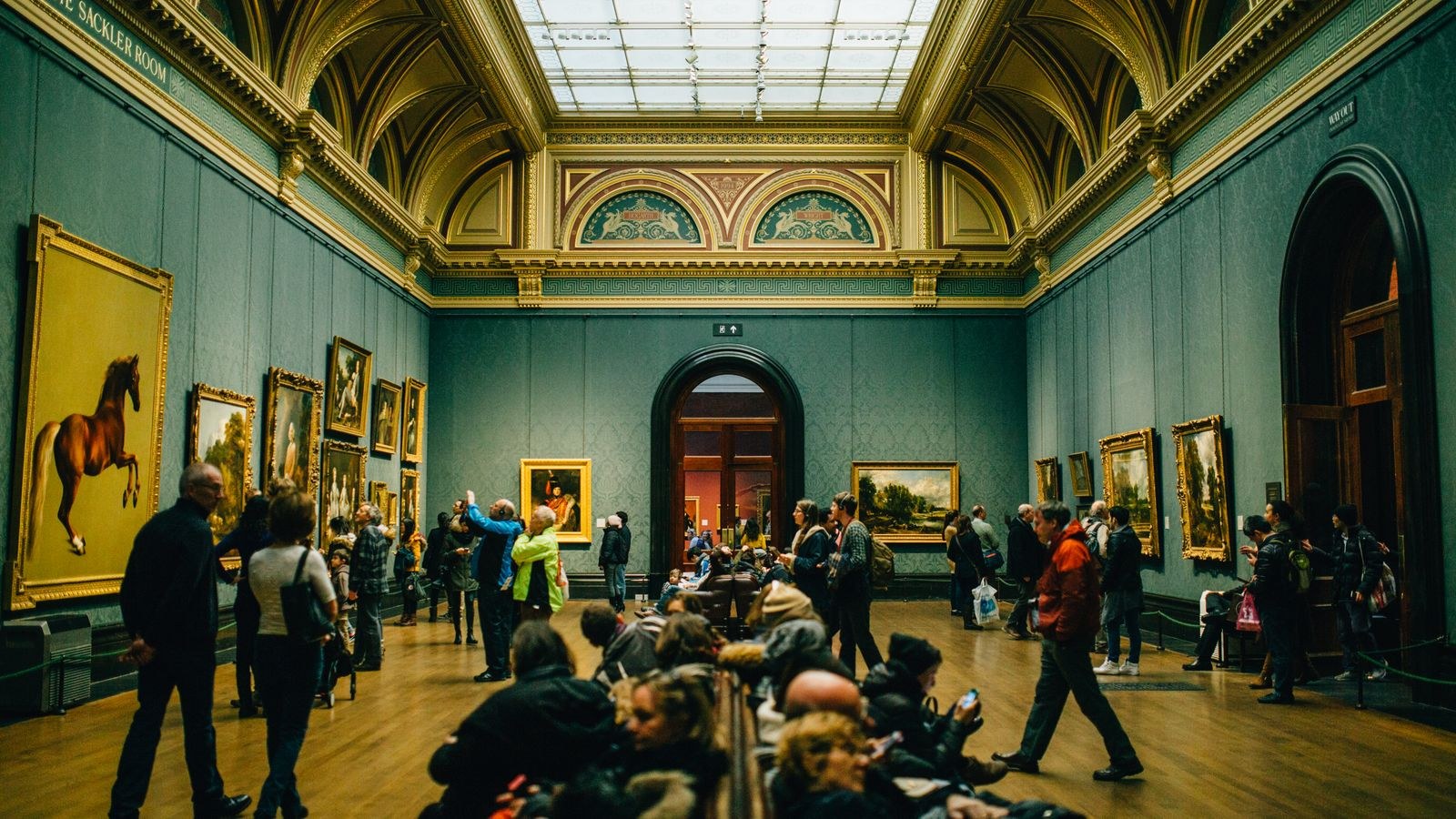
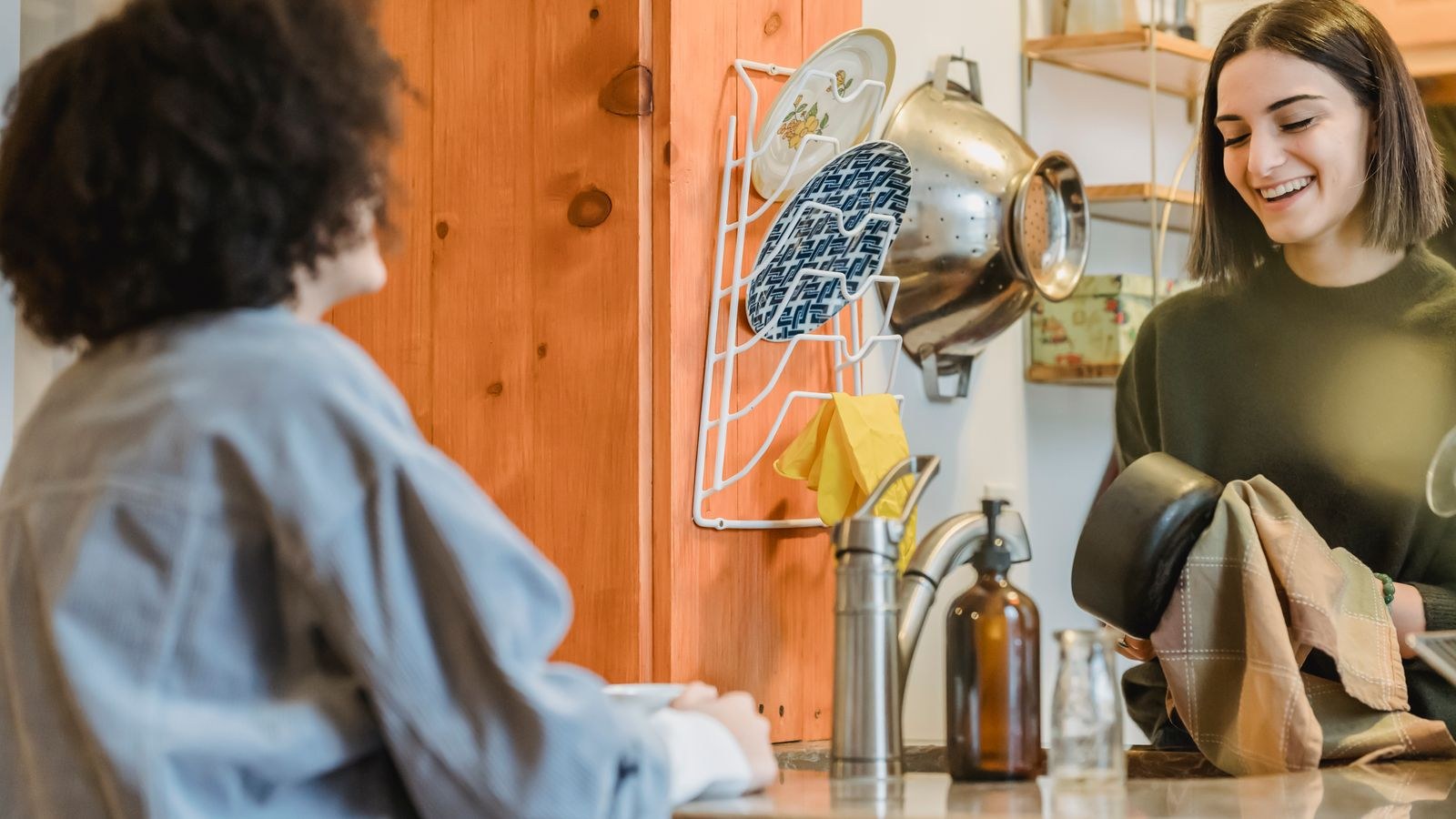
A break can involve movement, food, a change of setting or quiet time, depending on your circumstances. Avoid turning it into another demanding performance target. If leaving the space, follow ordinary access arrangements and keep your belongings appropriately secured. A routine that works for someone else may not fit your timetable or responsibilities. Judge it by whether it supports your actual work and needs.
Return to an action, not a verdict
On returning, read the note and begin the specified step before judging the whole day. Check whether new information or a changed condition makes the note obsolete. If the task remains unclear, make the next action smaller or ask the relevant question. A difficult restart does not prove a permanent failure of discipline. It may reveal that the proposed action was too vague to carry out.
Review the routine modestly
After several ordinary sessions, ask whether the return note saved useful effort and whether the breaks fit the day. Adjust one part rather than rebuilding the entire routine. This is practical planning, not a promise of a particular cognitive or health outcome. The objective is a sustainable relationship with unfinished work: you can stop without treating the pause as abandonment and return without requiring a fresh burst of motivation.