Choose the decisions the visit should inform
Before attending, identify what you still need to understand about a particular programme. The question may concern teaching format, assessment, support or the practical conditions of participation. Read the published information first so you do not spend the whole session asking for details already clearly available. An open day can provide useful context, but its atmosphere alone cannot settle a decision about a course you will study over a much longer period.
Ask for a concrete example
When a presenter describes flexible or practical learning, ask what that means in an ordinary week or assignment. An example can reveal arrangements hidden by broad language. Clarify whether it describes the course you are considering or another programme. Do not assume that a demonstration is a guarantee of identical future delivery. Note the example and ask where the current official course description explains the relevant requirement, option or learning arrangement.
Distinguish perspectives from formal information
A student’s account can illuminate an experience, while a programme officer may explain formal arrangements. Neither should automatically be asked to speak for every student or decide an issue outside their role. Listen to the context of an account: course, period and study format. If two answers differ, record the exact question and seek clarification through the designated route. Do not force a quick conclusion by selecting only the response that supports your initial preference.
Observe what matters to your participation
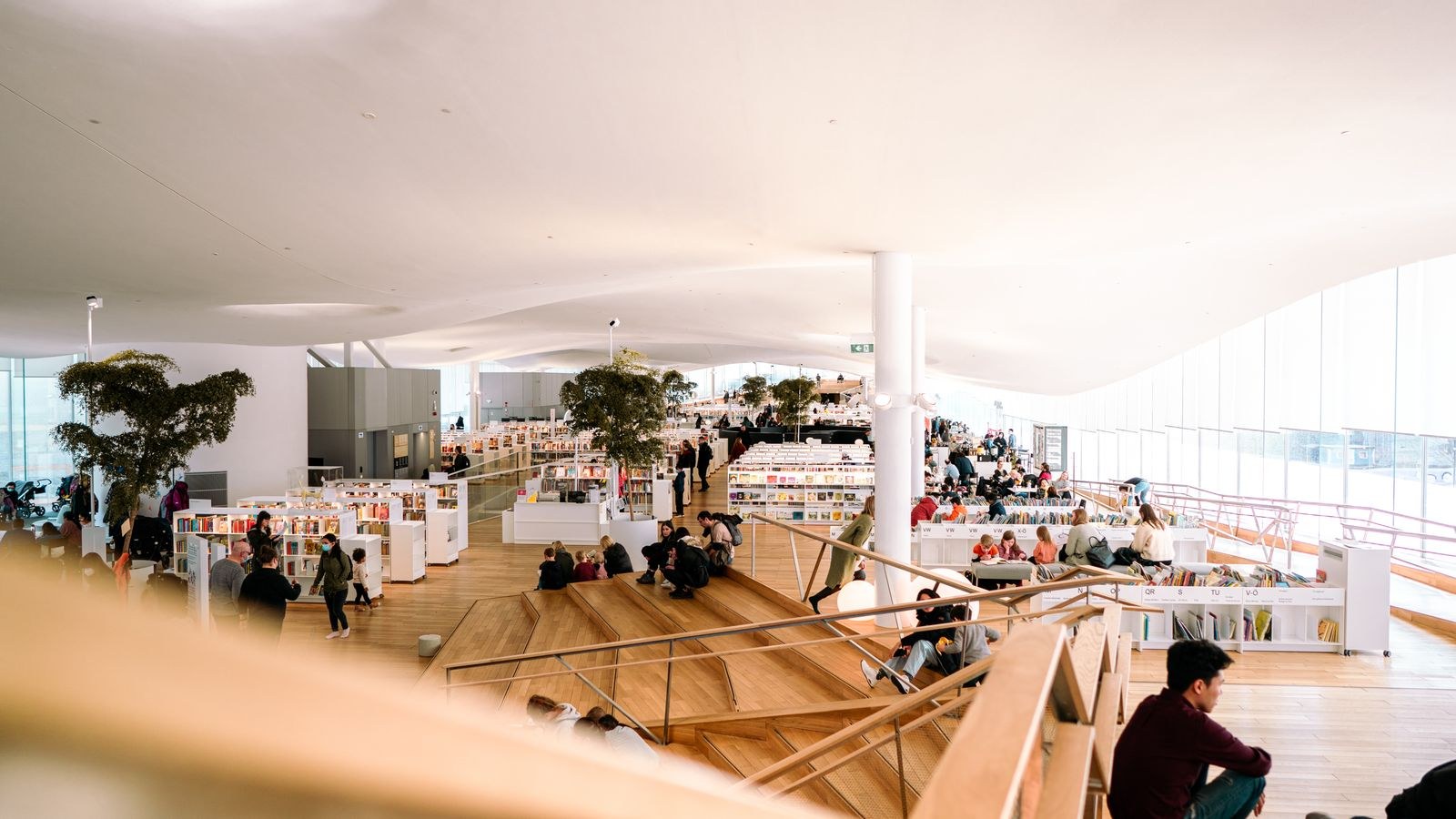
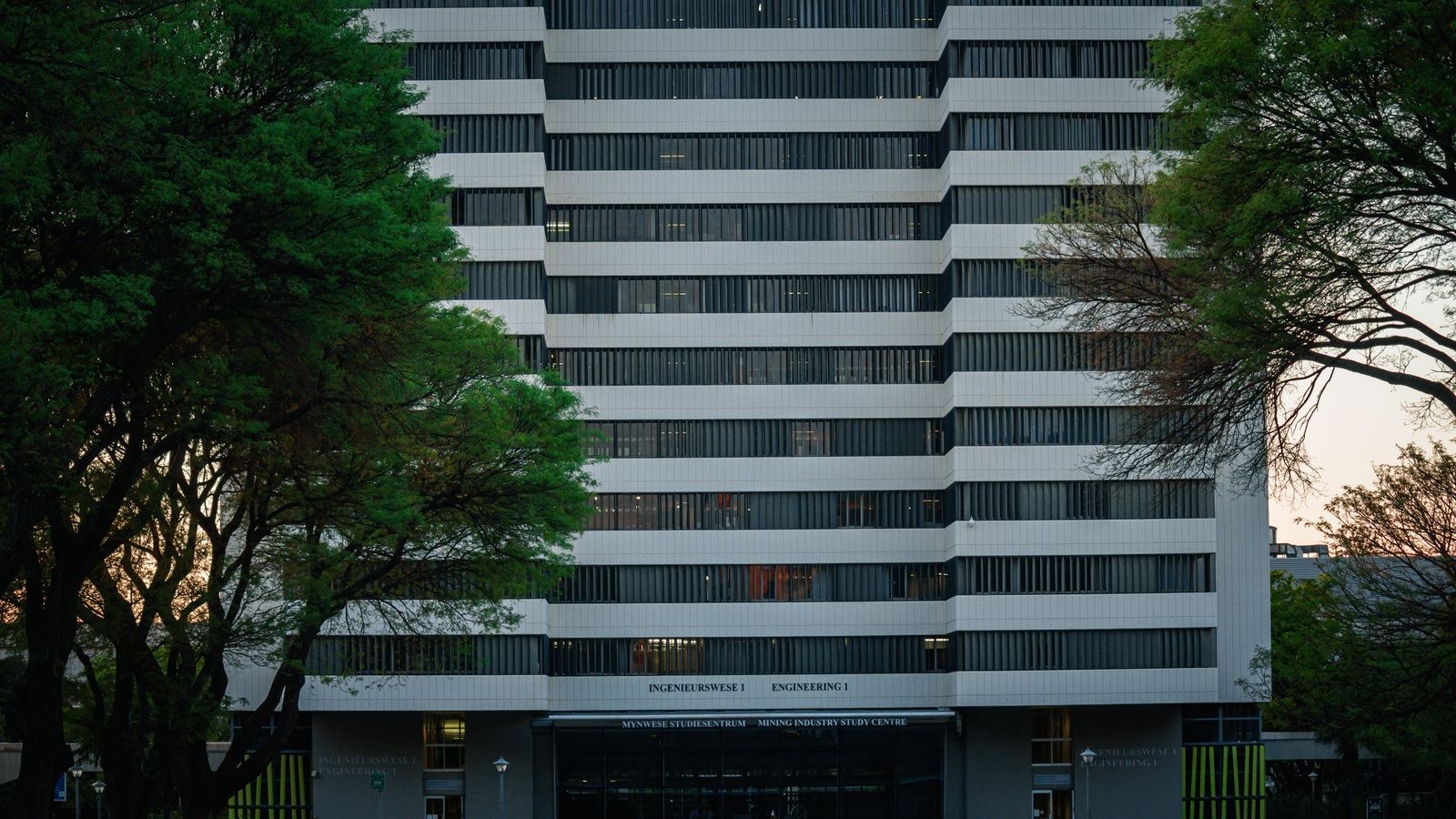
For a campus visit, consider the spaces and services relevant to your actual course without assuming every displayed facility is included in it. For a virtual session, examine how questions are handled and how follow-up information is supplied. Follow the event’s privacy and recording rules. Do not photograph participants or private materials merely to build a comparison file. The objective is to understand arrangements through appropriate evidence, not to turn the visit into an intrusive investigation.
Convert impressions into follow-up questions
After the session, separate an impression from a fact you can verify. A welcoming presentation may matter to your experience, but it does not confirm assessment rules or qualification recognition. Write a short follow-up list and direct each question to the appropriate official source. Keep any answer’s date and scope. A useful open day ends with greater clarity about what you know and what still requires confirmation, rather than a collection of optimistic phrases you cannot later trace.
Prepare a five-question visit card
Write one question about teaching, one about assessment, one about access, one about support and one unresolved issue specific to your circumstances. Beside each, record who is best placed to answer and what document could confirm it. After the visit, mark answered, partly answered or unanswered. Do not turn those labels into an automatic quality score; use them to plan the next enquiry. The exercise helps a visit serve a decision while preserving the distinction between a useful conversation and the formal information governing enrolment.