Look beyond the landscape
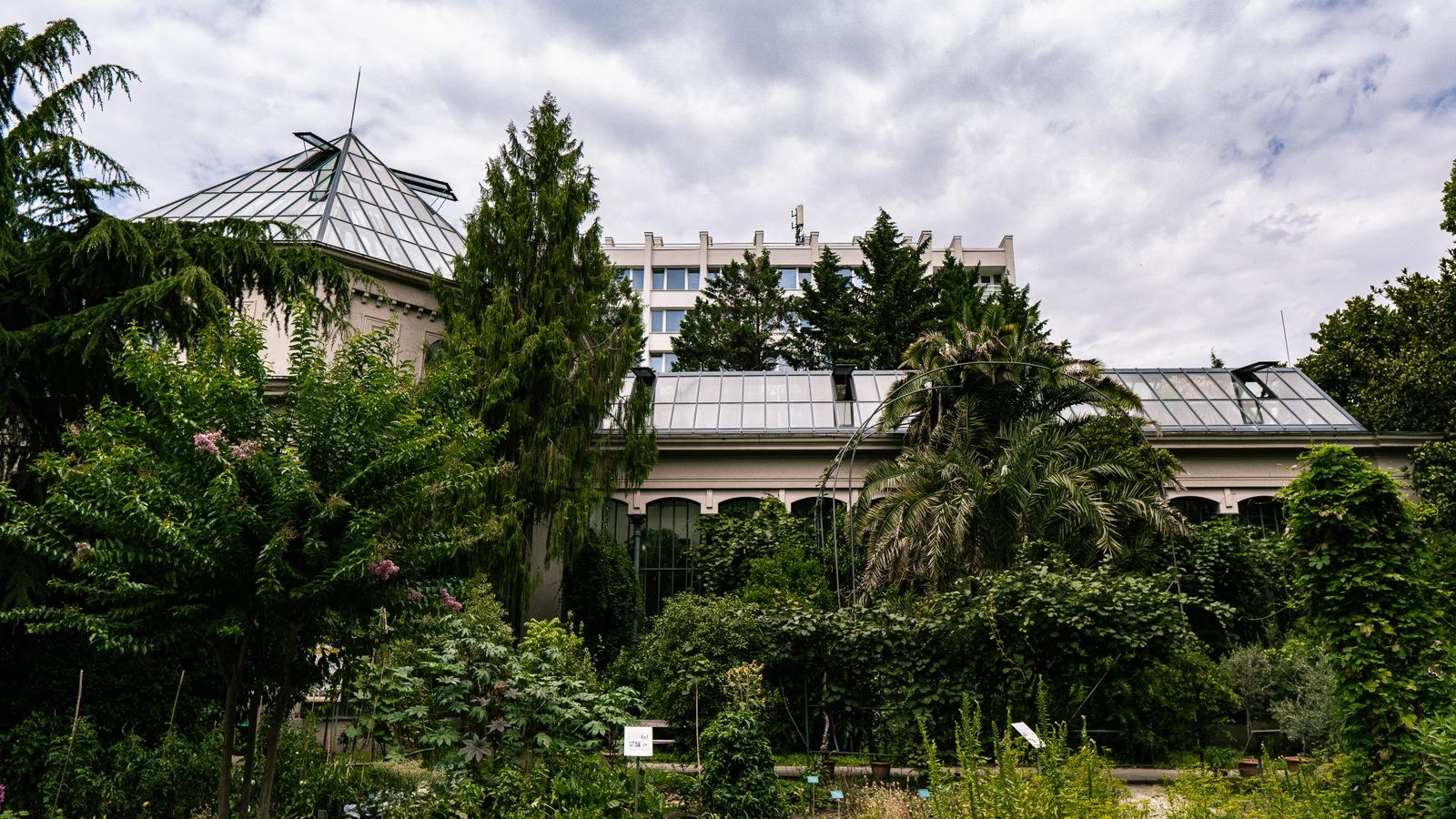
A botanic garden can be appreciated as a place to walk while also functioning as a documented collection. Institutions such as Kew describe how living plants support research, conservation and education. University gardens vary in purpose and access; do not assume every campus landscape has the same role. Begin by asking what the collection is intended to represent and how that purpose is documented.
Read a label as a route into a record
A plant label can connect an individual specimen to a name, an identifier or further information. Do not assume that a visible species name tells the whole history of that plant. Read the collection’s own explanation of its records. The distinction between a species and a particular documented specimen matters: research questions may depend on the origin and history of the material, rather than appearance alone.
Notice the conditions of cultivation
Plants in a garden are grown under particular conditions, which may differ substantially from a wild habitat. An observation of flowering, growth or survival therefore needs context. For a teaching exercise, describe what is visible and what information the garden provides about the setting. Avoid converting one cultivated specimen into a general claim about how the species behaves everywhere. The collection creates opportunities for inquiry without erasing environmental differences.
Treat access as part of the method
Public entry does not imply permission to collect plant material or conduct an unsupervised investigation. Check the actual garden’s rules and use recognised educational arrangements. Some questions can be explored through labels, catalogues and observation without touching a specimen. If a project requires specialist access, ask through the institution’s process. The value of a living collection depends partly on protecting the records and organisms on which future work relies.
Leave with a traceable question
Select one documented specimen or group and write an observation, a question and the information needed to investigate it further. Keep identifiers and sources where available. A useful question might concern why two related plants are displayed differently, rather than which plant looks most unusual. The visit becomes academically meaningful when curiosity connects to a record that another person can consult, question or use in a different investigation.