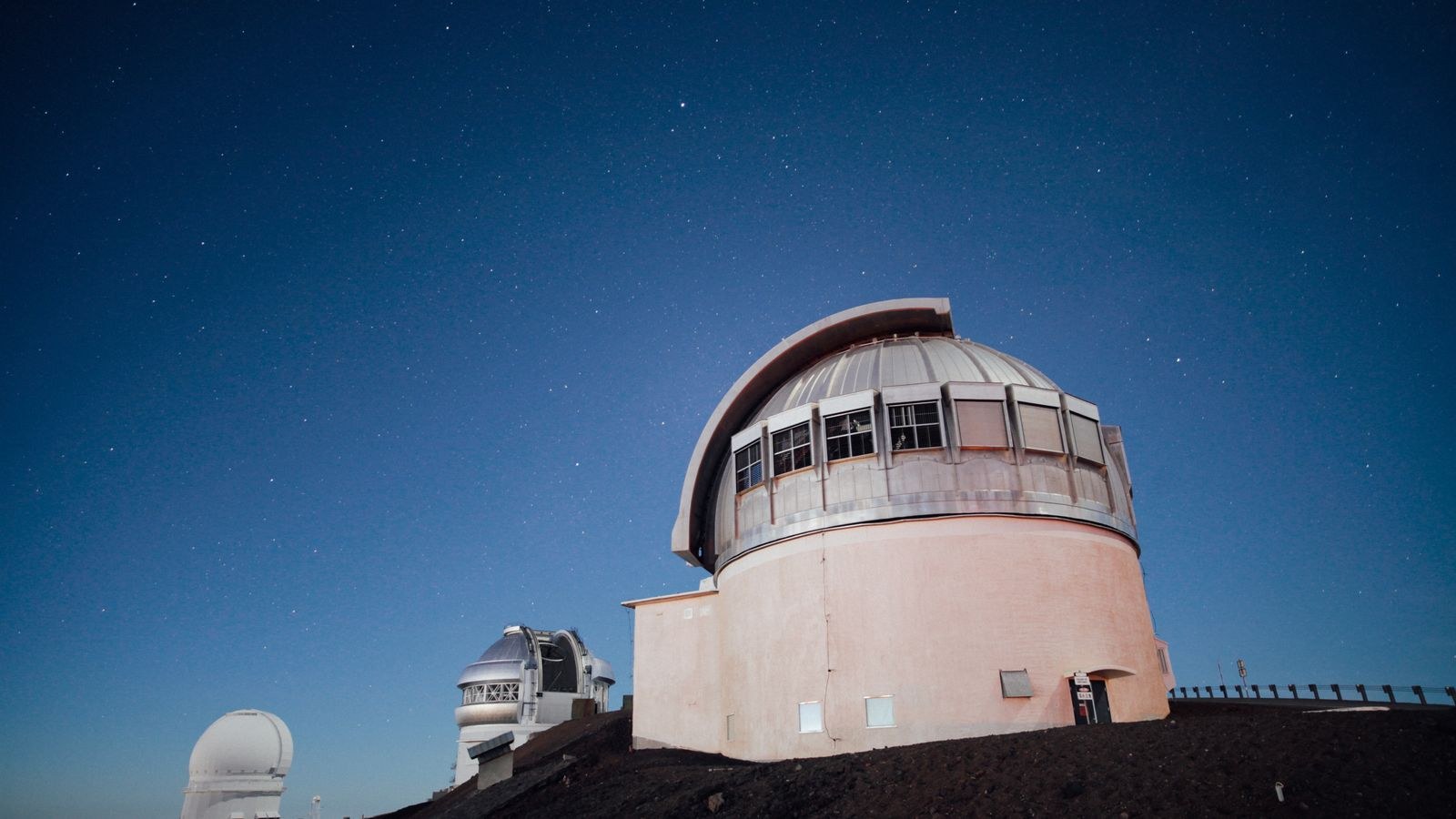
Observation has a travel time
Light does not arrive instantaneously. NASA’s explanations of cosmic history emphasise that an observation receives light emitted earlier, with the delay becoming significant across astronomical distances. The important distinction is between the time an event occurred and the time its signal reaches an observer. A telescope does not make the distant object happen again; it collects information that has travelled to the instrument.
Separate a distance unit from a duration
A light-year is a unit of distance, defined through the distance light travels in a year. The word year can make it sound like a direct statement of an object’s age. It is not. For a simple classroom illustration, distinguish how far a signal travels from how long it travels. Real cosmological distances require more careful treatment than extending an everyday distance-divided-by-speed calculation to an expanding universe.
Ask what the image represents
An astronomical image combines observations with choices about instruments, wavelength and processing. A colour can represent information outside ordinary human vision rather than the appearance a person would see unaided. Read the image caption and the observatory’s explanation. The image remains informative, but its interpretation improves when you know what was measured and how those measurements were assembled into a visible representation.
Distinguish earlier light from a younger object
An object observed through old light is seen at an earlier stage than its present state, but that does not by itself establish when the object originally formed. Keep the age of the universe at emission, the object’s own history and the lookback time separate. NASA’s educational resources help explain the broad relationship. Precise claims about a particular object need the relevant observational evidence and cosmological framework.
Read one space image carefully
Choose an official observatory image with a clear caption. Record the instrument, the kind of information collected and what the caption says about time. Note one feature you initially interpreted as a direct visual fact but that depends on processing or modelling. The exercise turns wonder into a more informed question: what does this observation tell us, and which part of the explanation comes from understanding how the signal reached us?